




 Print Page
The WisdomTree Global Quality Growth Strategy: a global alternative to the NASDAQ 100


Key Takeaways
- Regional diversification: The WisdomTree Global Quality Growth UCITS ETF (WGRO) provides regional diversification versus the US-centric NASDAQ 100.
- Targeted growth selection: unlike the NASDAQ 100, which includes slower-growing companies like Cisco Systems and PepsiCo due to market cap weighting, the WisdomTree Global Quality Growth UCITS Index prioritises high-growth, high-profitability companies like LVMH and Eli Lilly, leading to a more targeted growth exposure.
- Quality and Growth: WisdomTree Global Quality Growth UCITS ETF (WGRO) avoids vulnerable growth stocks that often make their way into growth portfolios by applying profitability as one of the criteria to select stocks. The strategy also uses a combination of forward-looking and backward-looking growth measures for a more robust selection.
For years, the NASDAQ 100 has been the dominant benchmark for growth investors, known for its heavy exposure to information technology companies. The methodology is straightforward—the 100 largest non-financial companies by market capitalisation listed on the NASDAQ exchange are selected for inclusion, with constituents weighted by modified market capitalisation.
However, this simplicity can come with trade-offs. Since the NASDAQ 100 does not apply fundamental selection criteria, mature, slow-growth companies can enter the index purely due to their size, potentially diluting the ‘growth’ exposure that investors seek. Additionally, growth stocks from other major stock exchanges in the United States are missed in this benchmark. Also, global investors that would like to diversify their exposure to other developed markets would need to look elsewhere for additional supplementary exposures.
In contrast, the WisdomTree Global Quality Growth UCITS ETF (WGRO) deploys a fundamentals-based selection process, identifying high-growth companies with strong profitability metrics across all major exchanges in global developed markets. A combination of profitability factors such as ROE (return on equity) and ROA (return on assets), combined with growth factors such as sales and EBITDA1 growth over the past 5 years, and estimated earnings growth over the next 3 years, are used to select 200 high-growth companies, that have strong balance sheets, from developed markets across the world.
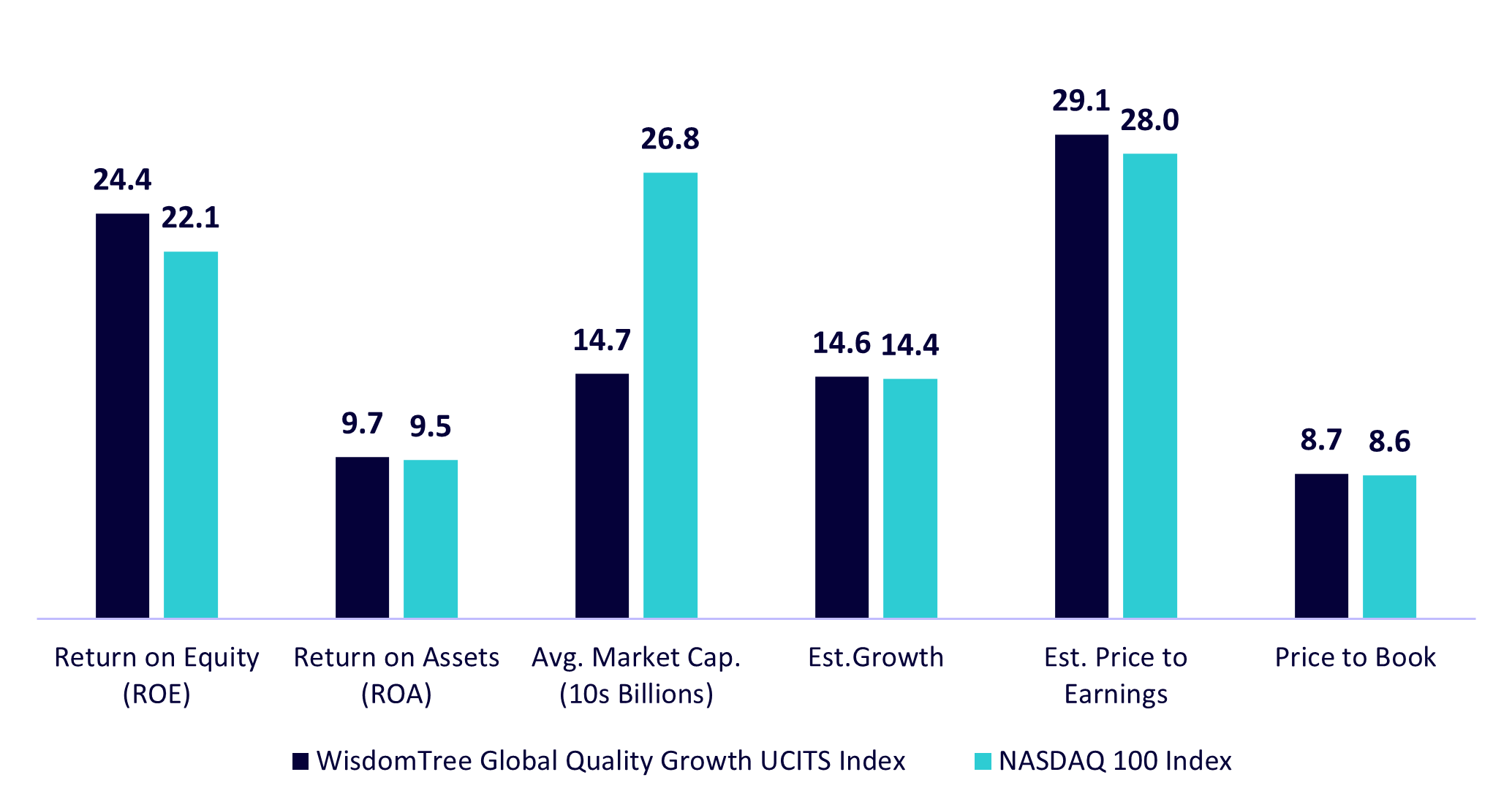
Figure 1. Comparison of fundaments between WGRO and NASDAQ 100
Source: WisdomTree, FactSet, Bloomberg. As of 31 Dec 2024. You cannot invest in an index. Historical performance is not an indication of future performance, and any investments may go down in value.
The WisdomTree Global Quality Growth Strategy captures stocks with better profitability and growth metrics, which can be seen across factor exposures offering regional diversification without sacrificing on quality and growth scores (see Figure 1). With an active share of 47% versus the NASDAQ 100, the WisdomTree strategy offers a differentiated exposure to growth stocks in the global markets. To highlight the contrast in methodology versus the NASDAQ 100, below are the five largest unique holdings in each index.
As of the month end post the latest rebalance2 of the WisdomTree Global Quality Growth UCITS Index:
Top unique stocks in the WisdomTree Global Quality Growth Index
- Eli Lilly & Co
- Visa
- Mastercard
- LVMH Moet Hennessy
- Novo Nordisk
Top unique stocks in the NASDAQ 100 (excluded from WisdomTree due to profitability and growth screens)
- Costco Wholesale
- T-Mobile US
- Cisco Systems
- PepsiCo
- Linde
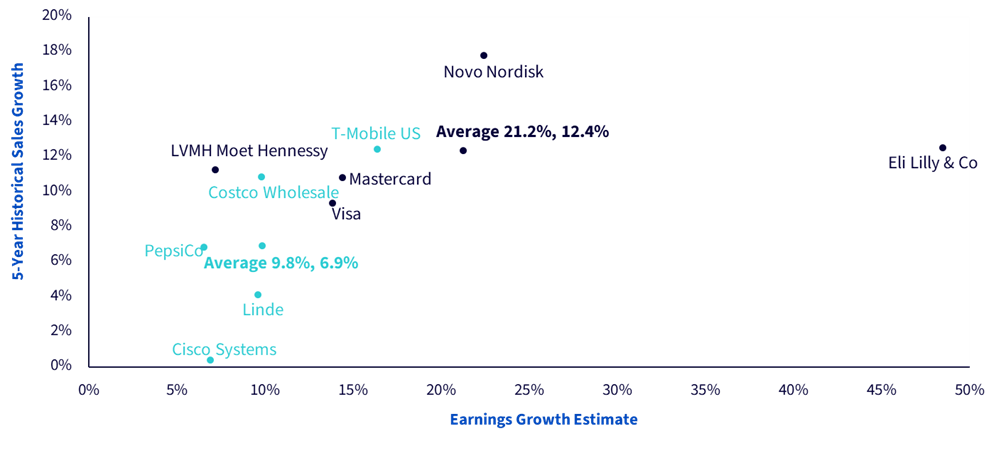
Figure 2: Top unique stocks in WisdomTree Global Quality Growth Index versus NASDAQ 100
Source: WisdomTree, FactSet, Bloomberg. As of 31 December 2024. You cannot invest directly in an index. Historical performance is not an indication of future performance, and any investments may go down in value.
A few observations from Figure 2:
- As of 31 December 2024, the average estimated earnings growth and sales growth for companies included in the WisdomTree Global Quality Growth UCITS Index, but excluded from the NASDAQ 100, were 21.2% and 12.4%, respectively.
- Conversely, the average earnings and sales growth for companies included in the NASDAQ 100 but excluded from the WisdomTree Global Quality Growth UCITS Index were just 9.8% and 6.9%, respectively.
- One standout example is Eli Lilly & Co—a $750+ billion3 market capitalisation company that has grown sales at an annualised rate of 12.5% over the last five years. Analysts project it will grow earnings at over 48.5% annually in the coming years.
- On the other hand, Cisco Systems (CSCO), which is included in the NASDAQ 100 but excluded from the WisdomTree Index, has grown sales at just 0.4% annualised and is expected to deliver less than 7% earnings growth going forward. Despite its relatively slow growth, Cisco remains in the NASDAQ 100 simply due to its market cap, not because it meets high-growth criteria.
Conclusion
The WisdomTree Global Quality Growth UCITS ETF (WGRO), that tracks the WisdomTree Global Quality Growth UCITS Index, aims to be a comprehensive growth benchmark that captures high growth companies from across the global developed markets. The Quality filter helps avoid vulnerable stocks that often make it into growth portfolios but do not have the fundamentals to sustain growth over the longer term. With its fundamentals-based stock selection, the strategy offers strong growth exposure to the global developed markets.
1EBITDA = earnings before interest, taxes, depreciation, and amortisation.
2That is, data as of 31 December 2024.
3Bloomberg, as of 10 March 2025.



 Previous Post
 All Posts